IN PHOTOS | Durga Puja 2026: Your festive fashion guide to celebrate Indian saris
Updated On: 12 October, 2026 01:36 PM IST | Nascimento Pinto
Entrepreneur and saree connoisseur Sharoni Sen suggests looking beyond the Banarasi to traditional weaves from Bengal, Odisha and Tamil Nadu (Story by Rumani Gabhare)





 01

From Jamdani motifs to Odisha’s distinctive borders, choose from our picks to wear this pujo. Photos Courtesy: File pics
02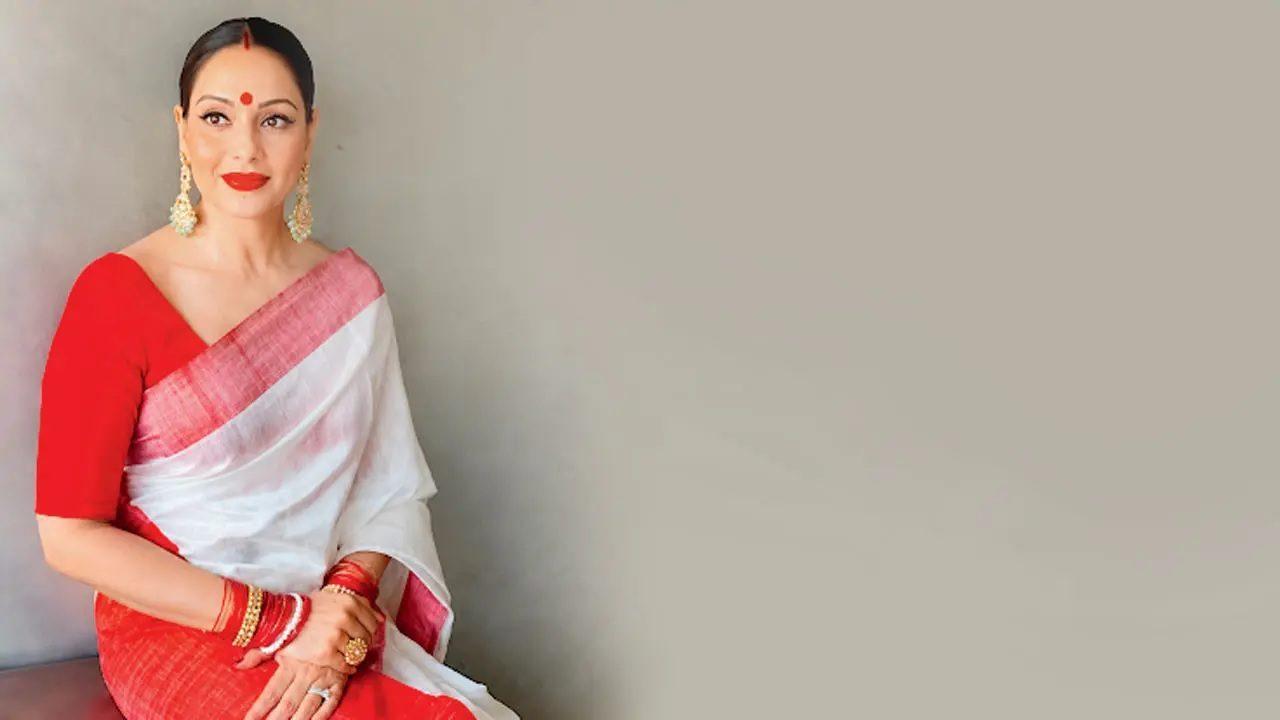
The classic Laal PaarThe Laal Paar Shari, which translates to a red-bordered saree, is a Bengali classic. Its familiar white body and red border make it a traditional choice for puja rituals and festive celebrations. Often paired with a red blouse, gold jewellery and a red bindi, the drape is particularly popular for occasions like Sindoor Khela and other Durga Puja rituals
03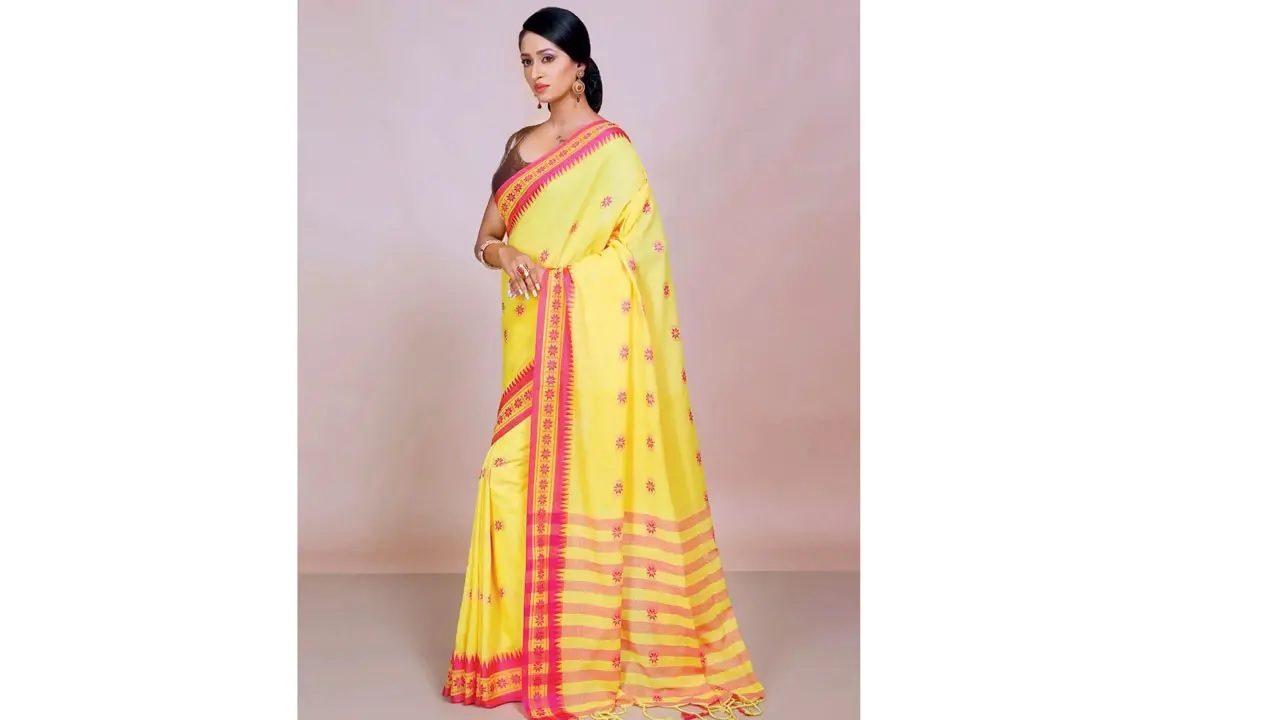
Dhakai TangailCombining Jamdani-inspired motifs with Bengal’s Tangail weaving tradition, this saree offers a slightly more substantial drape than sheer muslin. Its intricate patterns and structured weave make it a versatile choice for festive occasions. The fine motifs, contrasting borders and its light weight make it suitable for every moment from daytime pandal visits to evening gatherings
04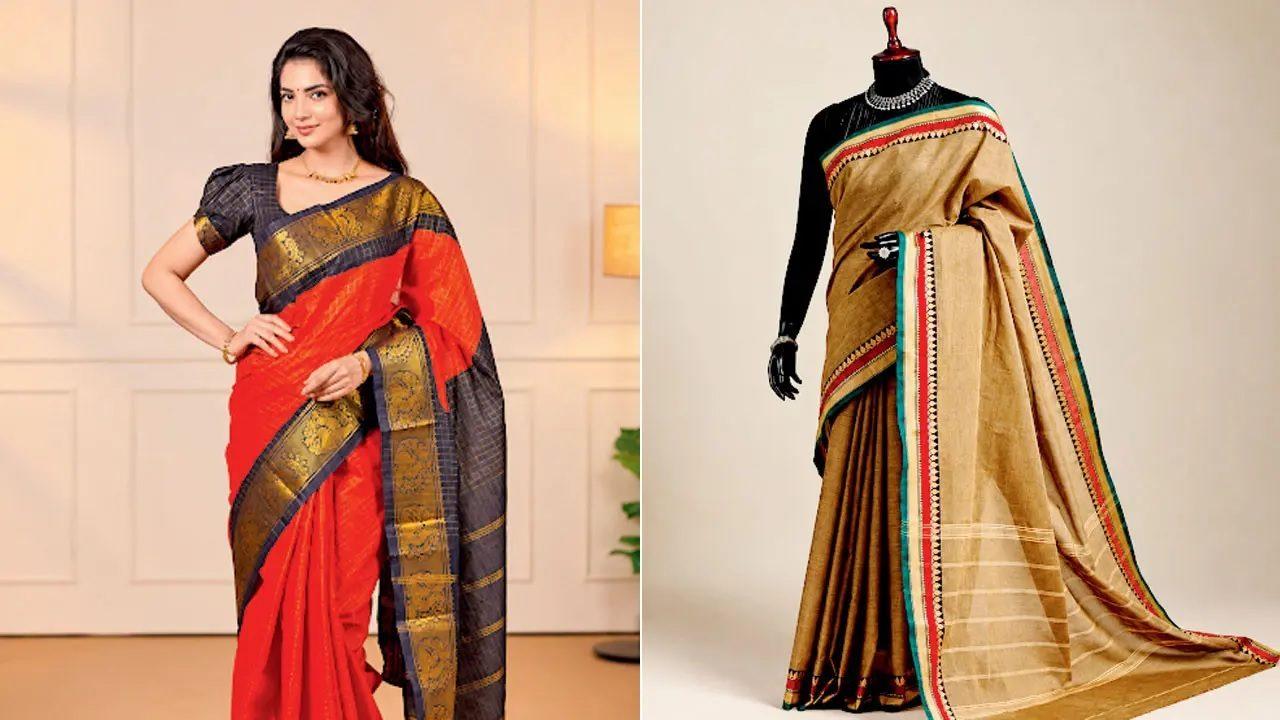
For the experimentalistsFor those keen to explore beyond Bengali weaves, Sen suggests Sungudi, Coimbatore and Chettinad sarees from Tamil Nadu. Each originates from a distinct weaving tradition and offers a different option for festive dressing
05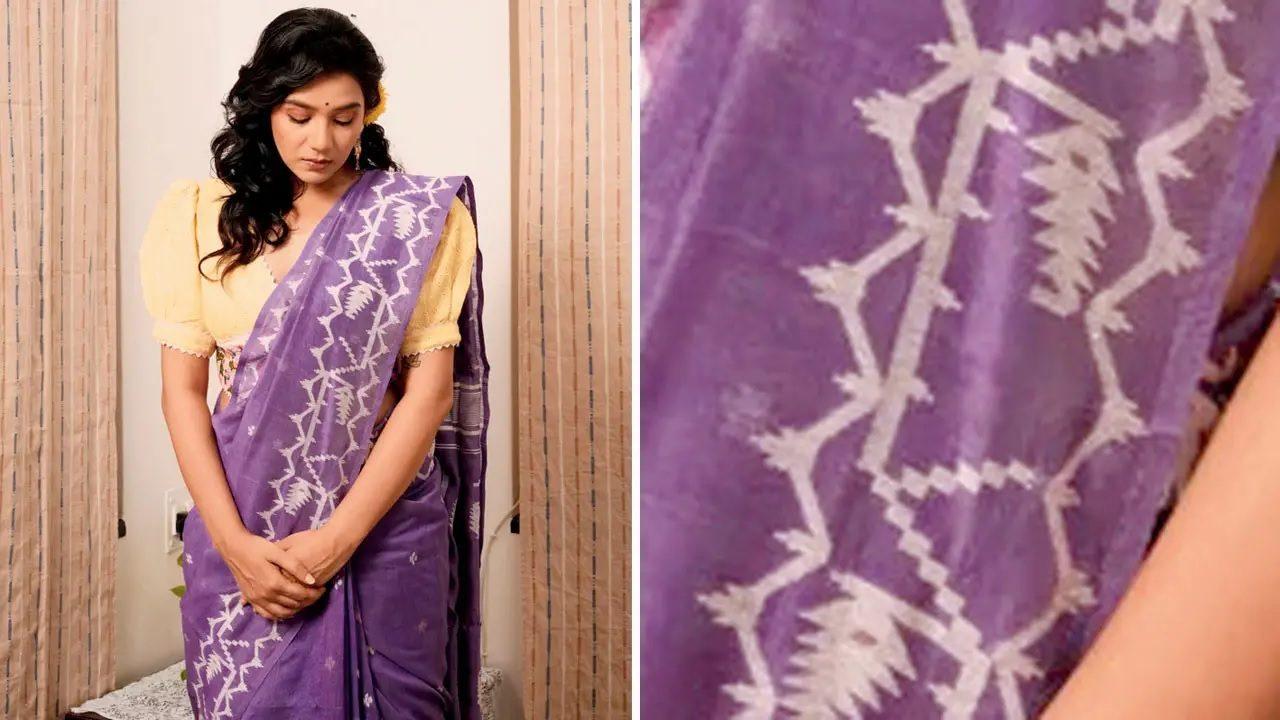
Dhakai JamdaniOriginating in Dhaka, the Dhakai Jamdani is known for its lightweight fabric and intricate hand woven motifs. The weave has a long history, dating back to the Mughal era. Its Persian-derived name combines ‘jam,’ meaning flower, and ‘dani,’ meaning vase or container. Rather than being printed, the motifs are woven into the fabric. Sen advises preserving an original piece, as authentic Dhakai Jamdani can be difficult to source
06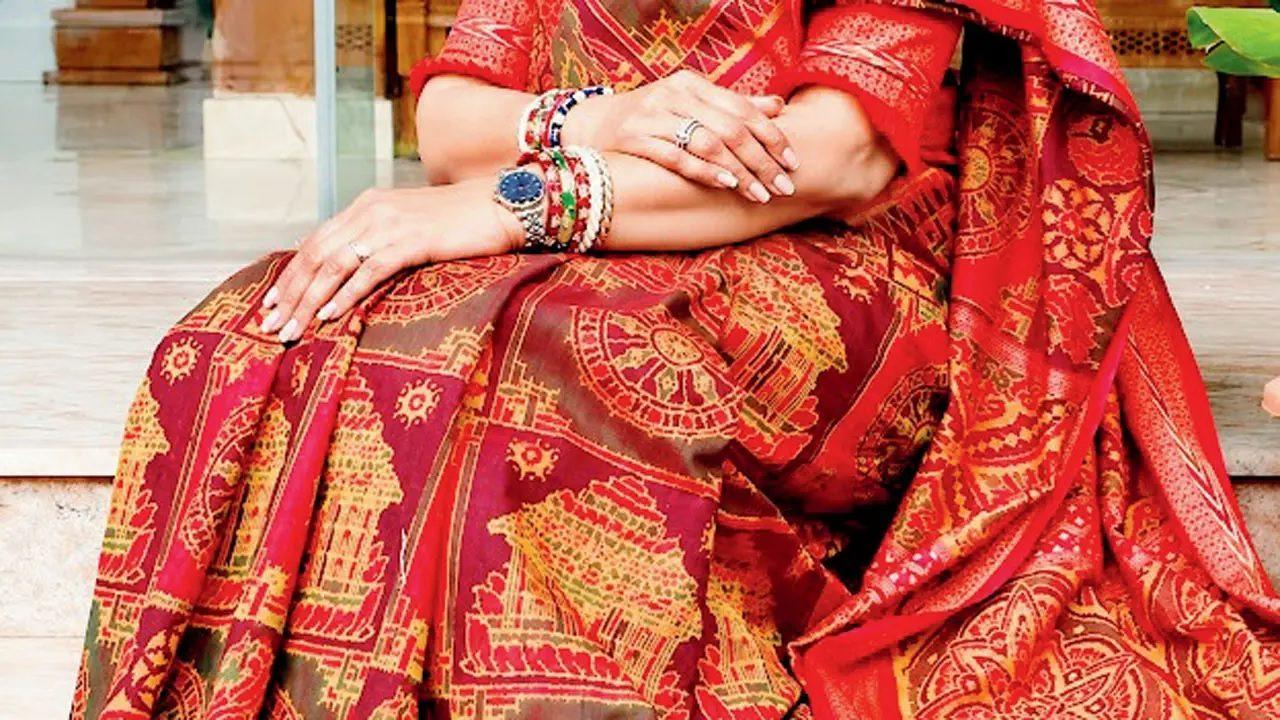
Odisha KotkiAlso known as the Cuttack saree, Kotki sarees are distinguished by their ikat patterns, created through a resist-dyeing technique before weaving. Their geometric motifs and intricate borders often draw inspiration from Odisha’s cultural heritage, including the chariot wheels of the Konark Sun Temple. The mix of traditional patterns and vibrant colours gives these handloom sarees a distinctive identity, making them an interesting alternative to the familiar Bengali drapes.Jewellery codeSen suggests simple looks, and exploring accessories crafted by tribal communities and local artisans. These traditional elements add texture and character to a saree without competing with its weave. Options include:
Recommended Photos
ADVERTISEMENT
ADVERTISEMENT
Photo of Day
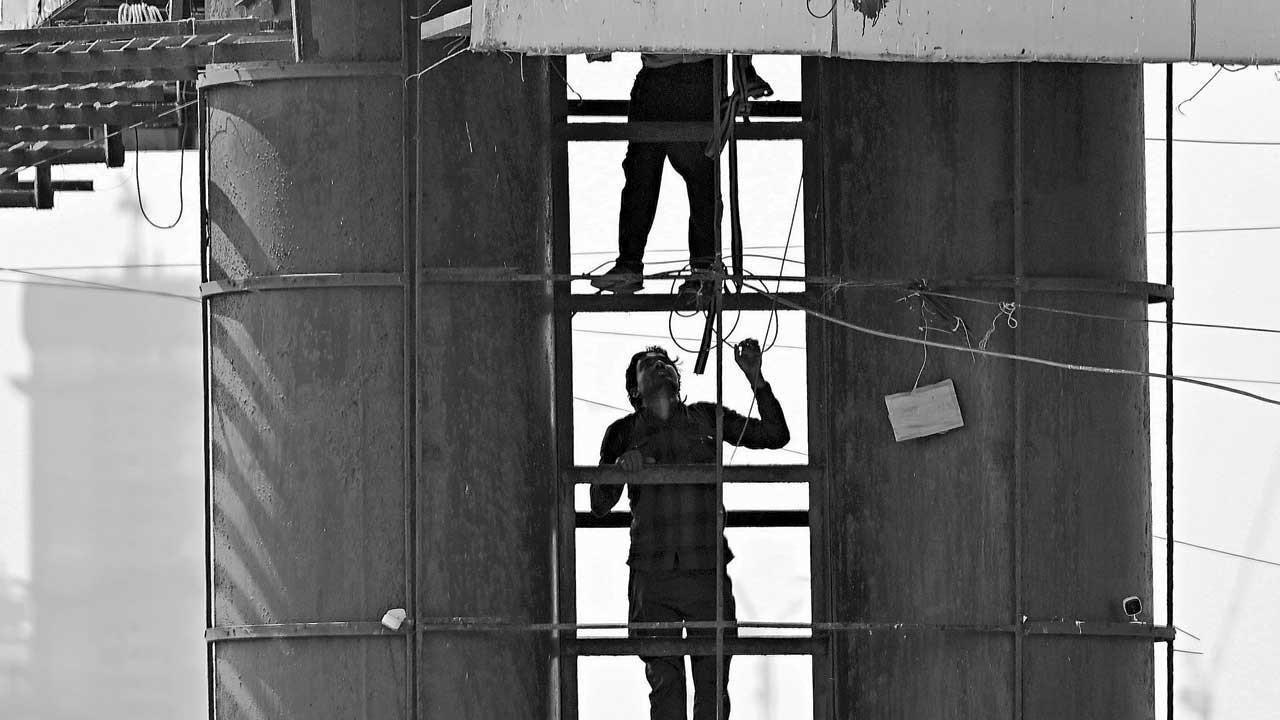
Upward bound
Workers install a new poster on a billboard near Mahim Causeway. Pic/Satej Shinde