A brief history of goddess worship
Updated On: 08 March, 2020 05:35 AM IST | Mumbai | Devdutt Pattanaik
Vedic religion that thrived 3,000 years ago however, was primarily a masculine religion dominated by worship of Indra, Varuna, Agni and Soma, even Prajapati.



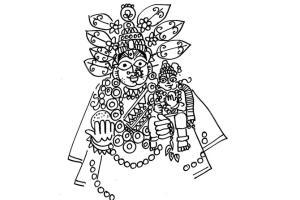
Illustration/Devdutt Pattanaik
%20(1).jpg "Devdutt Pattanaik") Harappan civilisation, which thrived over 4,000 years ago, had seals of as-yet-unidentified goddesses emerging from trees, and goddesses riding tigers. Vedic religion that thrived 3,000 years ago however, was primarily a masculine religion dominated by worship of Indra, Varuna, Agni and Soma, even Prajapati. Goddesses play a generally minor role, but are present in the form of speech (Vac), twilight (Ushas), forests (Aranyani), earth (Prithvi), prosperity (Shri) and even power (Durga). Veda is all hymns, not quite description of images, more like poetry evoking personified concepts.
Harappan civilisation, which thrived over 4,000 years ago, had seals of as-yet-unidentified goddesses emerging from trees, and goddesses riding tigers. Vedic religion that thrived 3,000 years ago however, was primarily a masculine religion dominated by worship of Indra, Varuna, Agni and Soma, even Prajapati. Goddesses play a generally minor role, but are present in the form of speech (Vac), twilight (Ushas), forests (Aranyani), earth (Prithvi), prosperity (Shri) and even power (Durga). Veda is all hymns, not quite description of images, more like poetry evoking personified concepts.
In Jaimini Brahmana, which is Vedic, there is fearsome sexual goddess who is said to be a forerunner of the later goddess Kali, but the first time we come upon a very clear familiar goddess of war is in the 2,000-year-old Tamil literature, which speaks of the goddess, Kotravayi, very similar to Kali, or her more grotesque manifestation of Chamunda, linked to ghosts and death.
How do you like the new new mid-day.com experience? Share your feedback and help us improve.
Trending Stories
Latest Photos
Latest Videos
Latest Web Stories
ADVERTISEMENT
Mid-Day Fast
ADVERTISEMENT

ADVERTISEMENT